Course
Got Questions About Healthy Cooking? Find Answers Here
What is healthy meal prep?
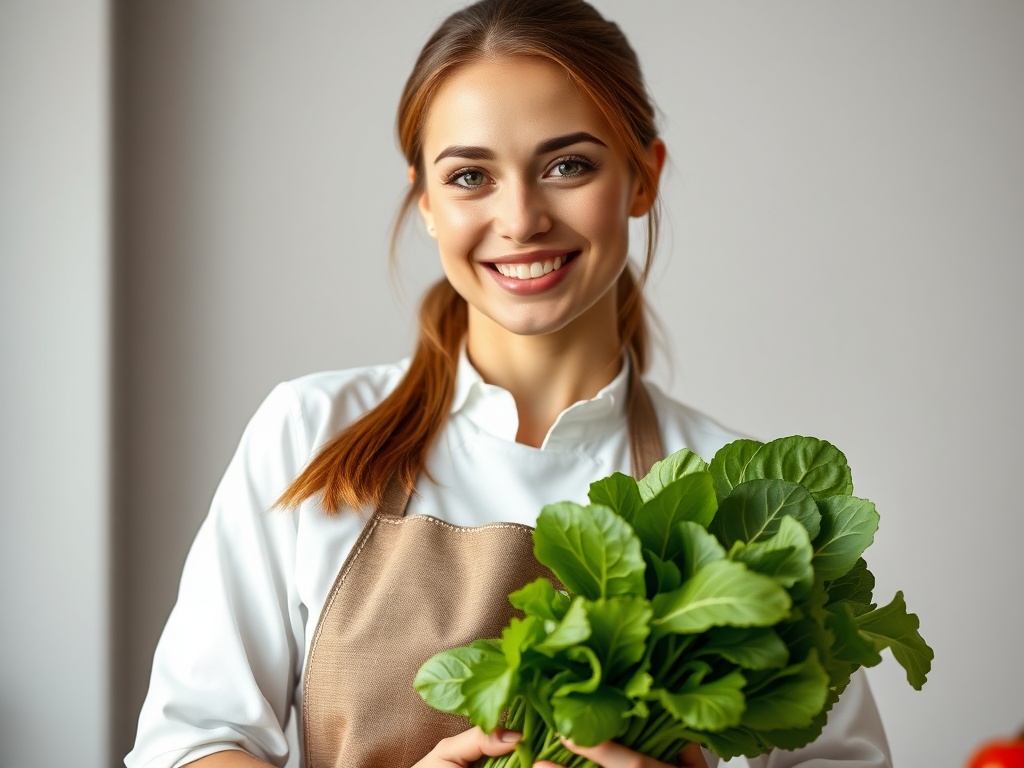
Healthy meal preparation is the foundation of a nutritious lifestyle. It involves planning, shopping, and cooking wholesome meals in advance so you always have access to nourishing food. By mastering meal prep techniques, you eliminate the temptation of processed foods and save time during busy weekdays. Our course teaches you proven strategies for batch cooking, proper food storage, and creating balanced plates with whole ingredients that support your wellness goals.
Why should I learn healthy cooking?
Learning to cook nutritious meals transforms your health from the inside out. When you prepare your own food, you control every ingredient, eliminating hidden sugars, unhealthy fats, and artificial additives found in restaurant and processed foods. Healthy cooking empowers you to manage your weight, boost energy levels, and reduce the risk of chronic diseases. Plus, homemade meals are often more economical and delicious than takeout alternatives.
What core skills will I master in the online course?
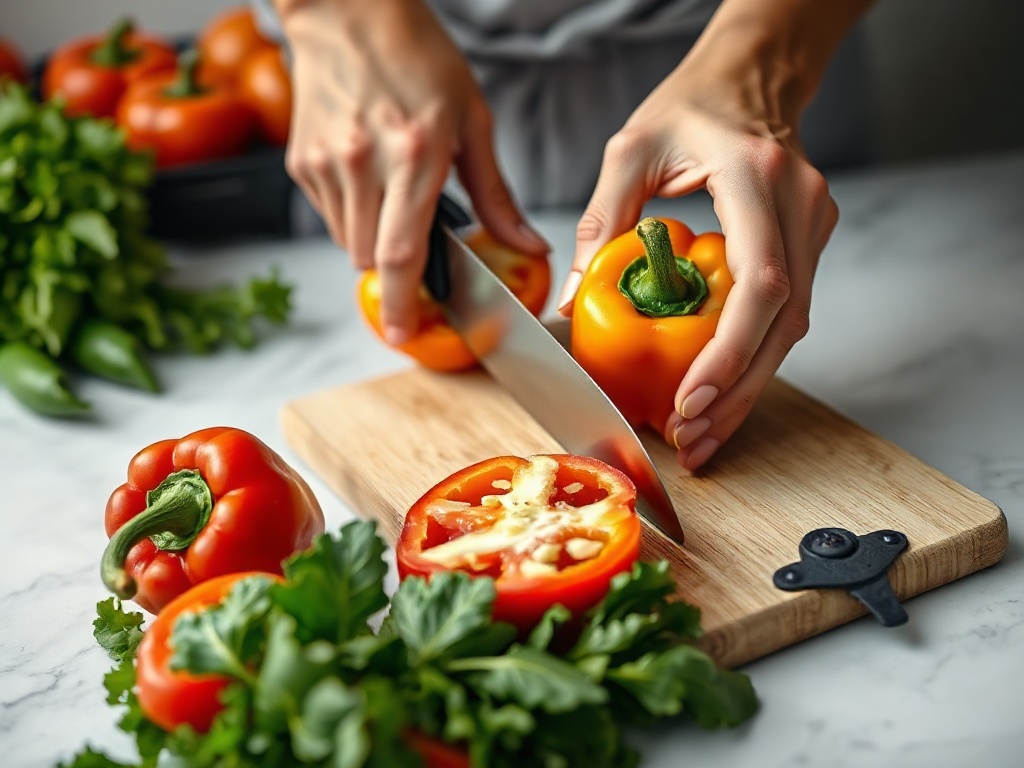
Our comprehensive online course covers essential techniques including knife skills for efficient preparation, understanding nutritional balance across macronutrients, selecting quality ingredients at the market, proper cooking methods that preserve nutrients, flavor building with herbs and spices, and meal planning strategies that save time and money. You'll also learn food safety practices and how to adapt recipes to accommodate dietary preferences or restrictions.
How do I start meal planning effectively?
Effective meal planning begins with assessing your lifestyle, dietary goals, and available cooking time. Start by defining what success looks like for you—whether that's weight loss, increased energy, or disease prevention. Create a simple template listing breakfast, lunch, dinner, and snacks for the week ahead. Shop strategically using a prepared list to avoid impulse purchases. Our course provides templates and step-by-step guidance to make planning feel effortless and sustainable.
What equipment do I need to get started?
You don't need an expensive kitchen to cook healthy meals. Essential equipment includes a sharp chef's knife, cutting board, several pots and pans in different sizes, mixing bowls, measuring cups, and basic utensils. A blender and food processor expand your options but aren't necessary initially. Our course highlights which tools offer the best value and how to accomplish professional results with minimal equipment. Quality matters more than quantity.
How can I make healthy food taste great?
Healthy cooking doesn't mean sacrificing flavor. The key is mastering seasoning techniques, understanding how different cooking methods affect taste, and discovering globally-inspired ingredients that add excitement to simple dishes. Fresh herbs, spices, citrus, and quality oils create incredible flavor without excess calories or sodium. Our course includes flavor-building lessons and delicious recipes that prove nutritious food can be absolutely delicious and satisfying.
Customize these questions and answers based on your course content and audience needs
What is balanced nutrition?
Balanced nutrition means consuming the right proportion of proteins, healthy fats, carbohydrates, vitamins, and minerals your body needs to thrive. Rather than restricting food groups, healthy cooking embraces whole foods from all categories in appropriate portions. Understanding macronutrient balance helps you create meals that sustain energy, support muscle health, and promote satiety. Our course teaches you how to build perfectly balanced plates without counting calories obsessively.
Why is food quality important?
The quality of ingredients directly impacts your nutrition and how your body processes food. Whole, minimally-processed foods contain more nutrients, fiber, and beneficial compounds than their refined counterparts. Organic produce, grass-fed proteins, and unrefined grains provide superior nutritional profiles. While quality ingredients sometimes cost more, you'll spend less overall because whole foods are more satisfying and require smaller portions.
What are the main principles of clean eating I should know?
Clean eating centers on consuming foods in their most natural state: whole grains instead of refined, fresh produce instead of canned, lean proteins instead of processed meats, and healthy fats from nuts and seeds. The principle is straightforward—if you can't pronounce an ingredient, reconsider whether it belongs in your body. Our course demystifies label reading, explains hidden additives, and shows you how to distinguish between marketing hype and genuine nutritional value.
How do I grocery shop on a healthy budget?
Strategic shopping is the foundation of affordable healthy eating. Buy seasonal produce for peak freshness and lower prices, purchase proteins on sale and freeze for later, choose store brands for comparable quality at lower cost, and buy certain items in bulk. Farmer's markets often offer excellent deals on local, fresh ingredients. Planning meals before shopping prevents waste and impulse purchases. Our course includes shopping strategies that stretch your budget without compromising nutrition.
What should I do if I have dietary restrictions?
Dietary restrictions—whether allergies, intolerances, or ethical choices—don't limit healthy cooking; they simply require knowledge and creativity. Whether you're vegetarian, vegan, gluten-free, dairy-free, or managing other restrictions, our course provides adaptable recipes and ingredient substitutions that maintain nutritional integrity. You'll learn how to build complete proteins, identify hidden allergens, and communicate your needs confidently.
How often should I practice cooking?
Like any skill, cooking improves with consistent practice. Aim to cook at least four to five times per week to build confidence and develop intuition in the kitchen. Start with simple recipes and gradually tackle more complex techniques. Our course is self-paced, allowing you to practice between lessons at your own speed. Even fifteen minutes of daily cooking practice quickly transforms your skills and confidence.
Transform your health with expert cooking
Learn from nutrition-focused culinary professionals